
The industry spent the last decade racing to automate the cloud. In our 2026 IaC Predictions, we look at what leaders should expect when automation finally wins.
AI is writing Terraform and OpenTofu faster than teams can review it. Cloud providers are shipping higher-level services every month. Business units want new environments on demand. The IaC footprint inside large enterprises is exploding…
Anyone operating cloud infrastructure at scale feels the tension this creates: all that velocity without control is really just chaos.
These 2026 IaC Predictions are shaped by 1,000+ conversations I’ve had with cloud, platform, and DevOps leaders across our customer, prospect, and partner network. The patterns are remarkably consistent.
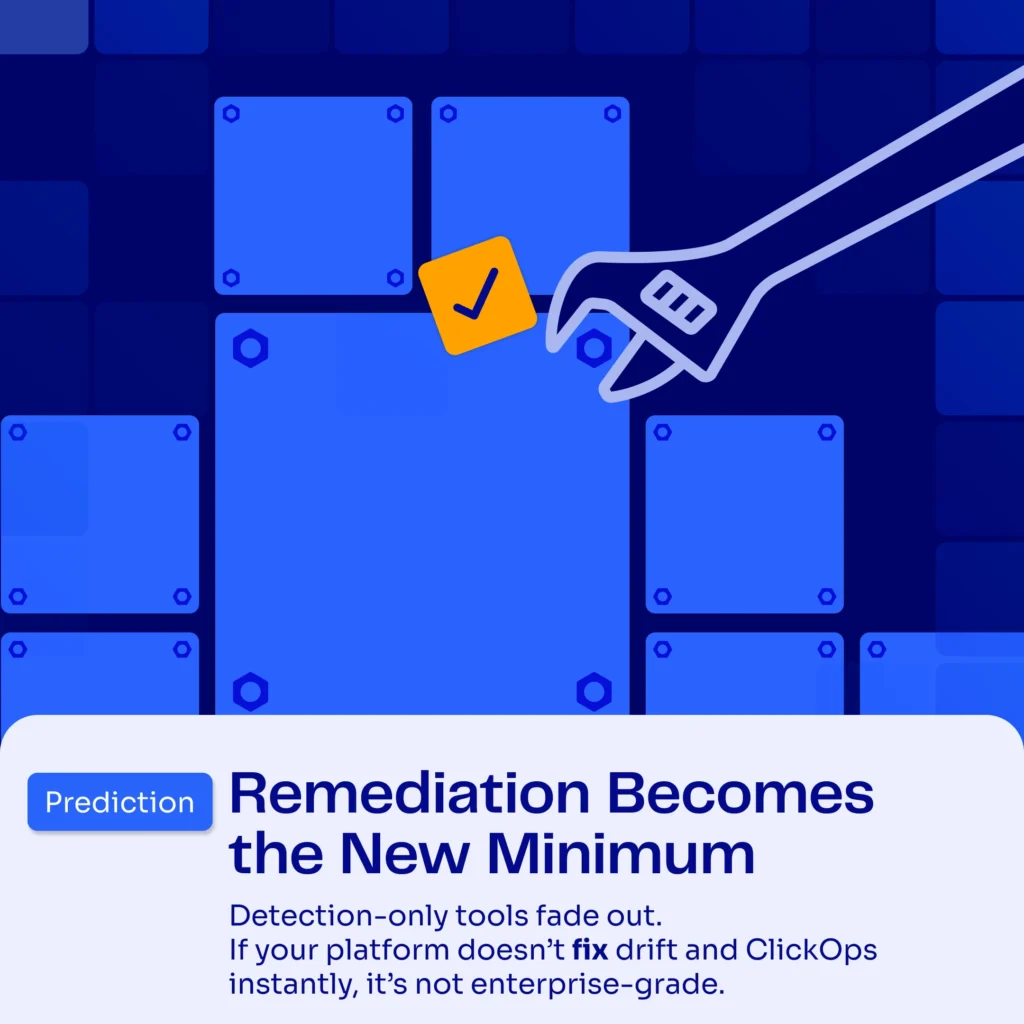
First 2026 IaC Prediction: Remediation Becomes the Minimum Standard
Detection-only tooling fades out in 2026. Teams won’t accept alerts that stack up in Jira while drift and misconfigurations quietly add risk.
Platforms will be expected to automatically correct drift, reverse unauthorized console changes, and maintain desired state continuously. Remediation engines will grow far more context-aware (understanding dependencies, policies, and intent) and acting on them without waiting for human approval.
If your tooling can’t fix what it finds, it won’t be considered enterprise-grade.
AI IaC Generation Explodes…and Overruns Legacy Governance
AI becomes the fastest junior engineer on every team. It will generate modules, baselines, and full environments in seconds. Some of that output will be brilliant; some will be dangerous.
ControlMonkey’s GenAI Infrastructure Survey makes the shift unavoidable:
- 71% of cloud teams say GenAI is increasing their IaC volume.
- 63% say GenAI-generated infrastructure is harder to govern than what engineers produce manually.
- Most importantly, 58% have already seen misconfigurations introduced directly by GenAI tools.
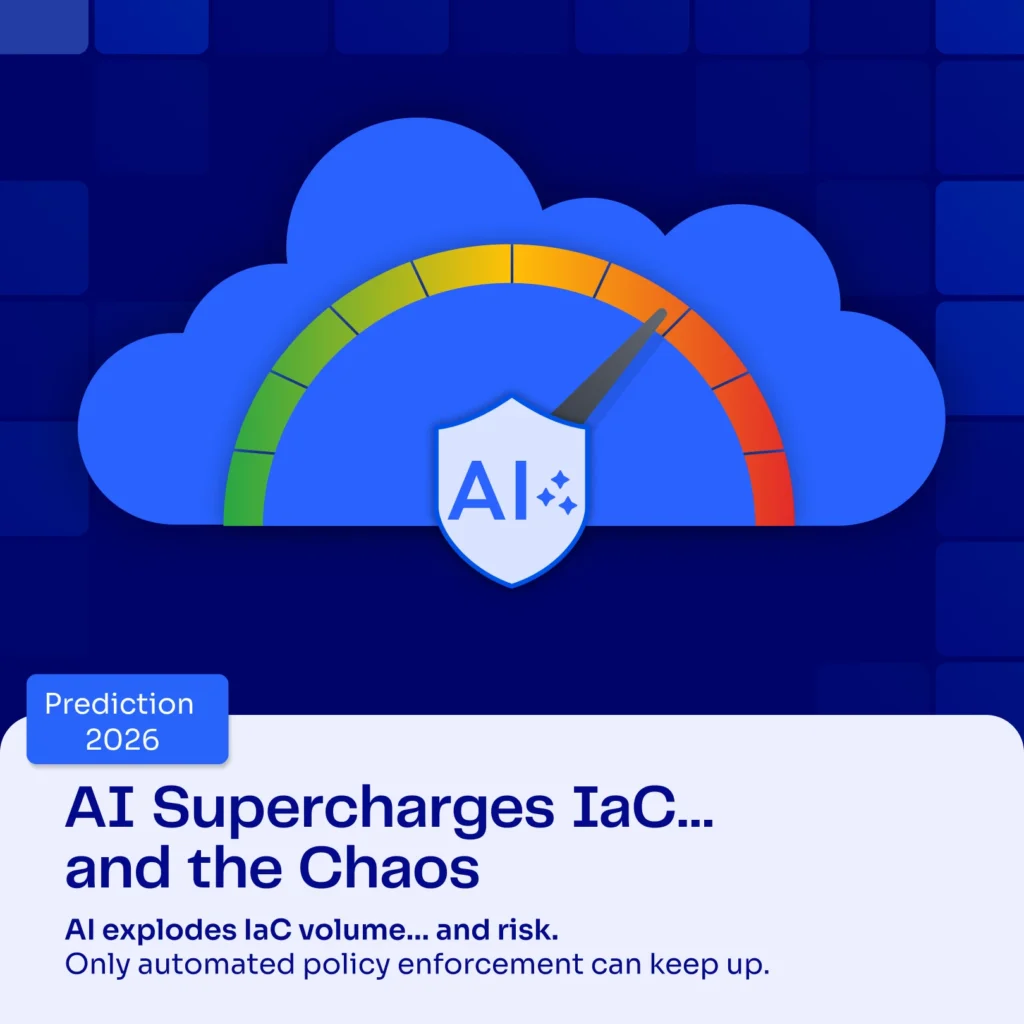
The real shift is volume. AI won’t replace IaC — it will create far more of it. That means more deployments, more drift potential, more governance surface area, and far more chances for unsafe defaults or subtle mistakes to slip through.
And governance teams know it: 81% say manual review simply cannot scale with GenAI-driven change velocity.
This puts massive pressure on governance layers still relying on human review or ticket-driven processes.
The only sustainable answer is automated policy enforcement directly in the merge and deployment path.
Why Instant Environment Recovery Becomes Mandatory in 2026 IaC Predictions
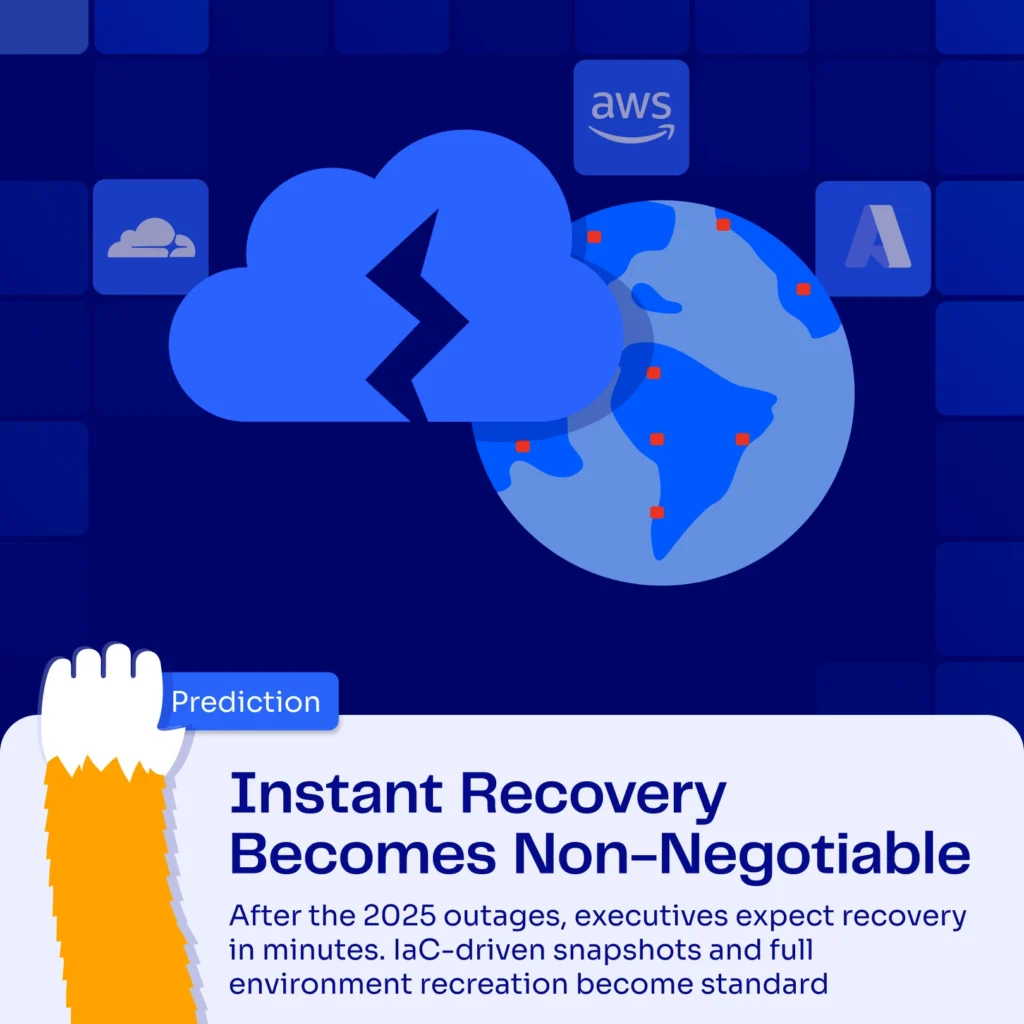
After major cloud outages in 2025 (including the October 20 AWS meltdown and the November 18 Cloudflare network failure) the expectation inside the enterprise has changed. Executives no longer consider multi-hour restores acceptable. They expect recovery in minutes, and they expect it to be testable.
In 2026, disaster recovery becomes entirely pipeline-driven. Configuration Recovery patterns move out of documentation and into code. Teams adopt deterministic, IaC-based snapshots and full environment recreation as part of normal operations, not once-a-year exercises.
The new standard: environments that can be restored or rebuilt as fast as they can be deployed.

Be Ready Before the Next AWS, Azure, or Cloudflare Outage.
Keep your entire cloud configuration ready for instant, IaC-driven restore with one click.
Environment Duplication Becomes a Competitive Weapon
Teams that can clone production in minutes, for testing, debugging, onboarding, or riskier launches, will simply move faster than those who can’t. Deterministic environment duplication becomes central to how high-velocity engineering organizations operate.
Surrounding and IaC automation make this cheap, consistent, and safe. The organizations without this capability will move slower by design, because their environments are too fragile or too expensive to replicate.
AI Introduces More Chaos…unless Governance Operates at Deployment Speed
AI-generated infrastructure is fast, but not inherently safe. Expect more identity misconfigurations, more exposure risks, and far more sprawl. AI accelerates the number of changes, but also the number of mistakes that can slip through if governance isn’t fully automated.
Manual review cycles simply won’t scale with AI-driven change volume. Policy-as-code and automated guardrails evaluated on every commit become the only reliable way to manage risk at AI speed.
Governance becomes part of the deployment path, not a checkpoint outside it.
2026 IaC Prediction: Cloud Resilience Moves to DevOps & Platform Teams
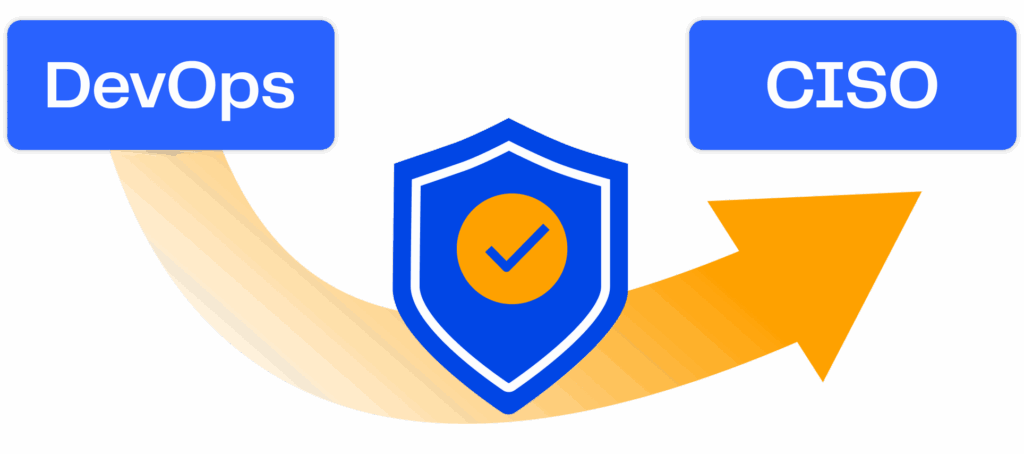
Security will still define guardrails, but resilience is becoming a DevOps and platform responsibility. IaC is now the real system of record for how infrastructure is built, restored, and secured.
Block’s platform team captured this shift well in our case study: once they moved recovery into the same automated pipeline as deployment, rolling back an entire region stopped being a special event. In their words, “We treat infrastructure like code, and recovery the same way.”
This is the new model: reproducible environments, consistent security baselines, fast rollback paths, and automated restores. RTO and RPO become engineering KPIs, not annual compliance exercises.
OpenTofu Adoption Accelerates: A Core 2026 IaC Prediction
OpenTofu’s adoption will accelerate for practical reasons: neutrality, auditability, long-term control, and regulatory comfort. (All the way back in June, the community hit 10 million downloads.) Large enterprises (especially in regulated industries) will increasingly treat OpenTofu as a strategic hedge and, in some cases, the preferred engine.
Terraform isn’t disappearing. But serious organizations will expect dual-engine support, and the industry will move toward treating Terraform and OpenTofu as interchangeable components inside a larger governance and automation ecosystem.

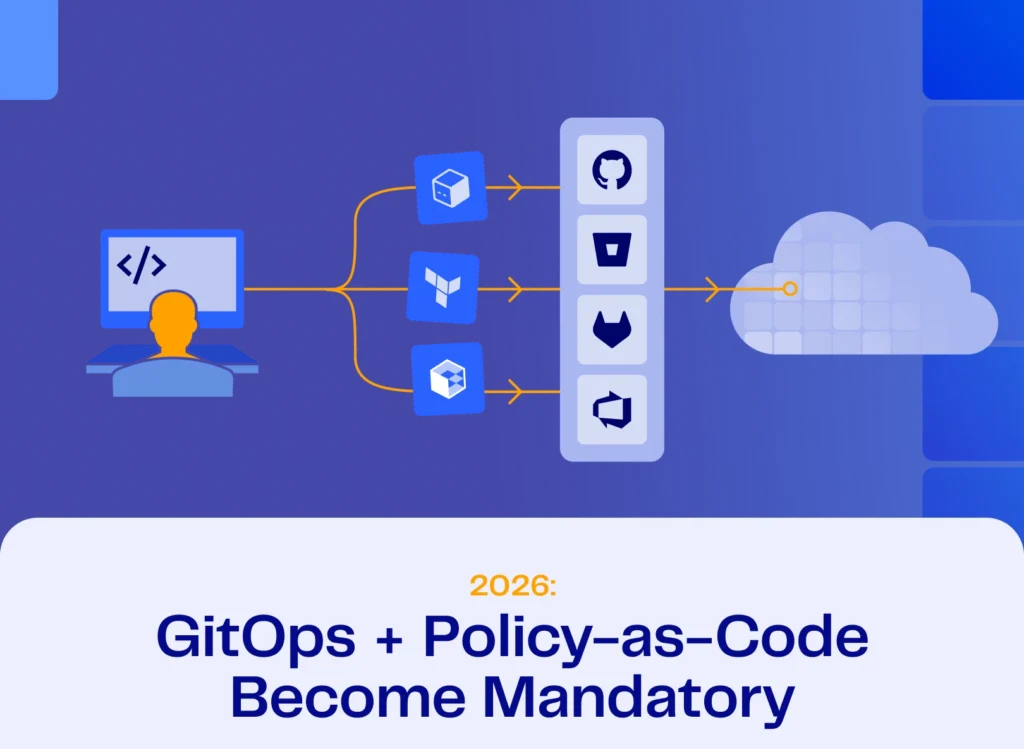
GitOps and Policy-as-Code Cross the Line into Mandatory
In 2026, GitOps and Policy-as-Code stop being “best practices” and become basic operational hygiene. If your cloud can be changed meaningfully outside Git, you do not have governance. You’ve got drift.
Enterprises will increasingly rely on Terraform IaC service platforms that merge automation, governance, and remediation into a single delivery pipeline, ensuring infrastructure can evolve rapidly without spiraling into chaos.
With AI accelerating change volume and multi-cloud environments expanding, Git becomes the definitive source of truth for infrastructure, and policy-as-code becomes the enforcement layer that makes velocity safe.
This is the only sustainable operating model for modern infrastructure.
2026 IaC Predictions: Why Control Defines Velocity
The story of the last decade was getting infrastructure into code.
The story of 2026 is whether you can control everything that code can now do.
The organizations that win won’t be the ones generating the most IaC or adopting the most AI. They’ll be the ones that can fix, restore, duplicate, and govern infrastructure automatically, all at the speed modern engineering demands.
IaC was the starting point. Full-lifecycle automation is the destination.
2026 is the year infrastructure finally grows up.
If your organization is rethinking its IaC and resilience strategy for 2026, we’re happy to share what we’re seeing across some of the world’s most complex cloud environments.
See how teams are doing it at controlmonkey.io.

A 30-min meeting will save your team 1000s of hours
A 30-min meeting will save your team 1000s of hours
Author